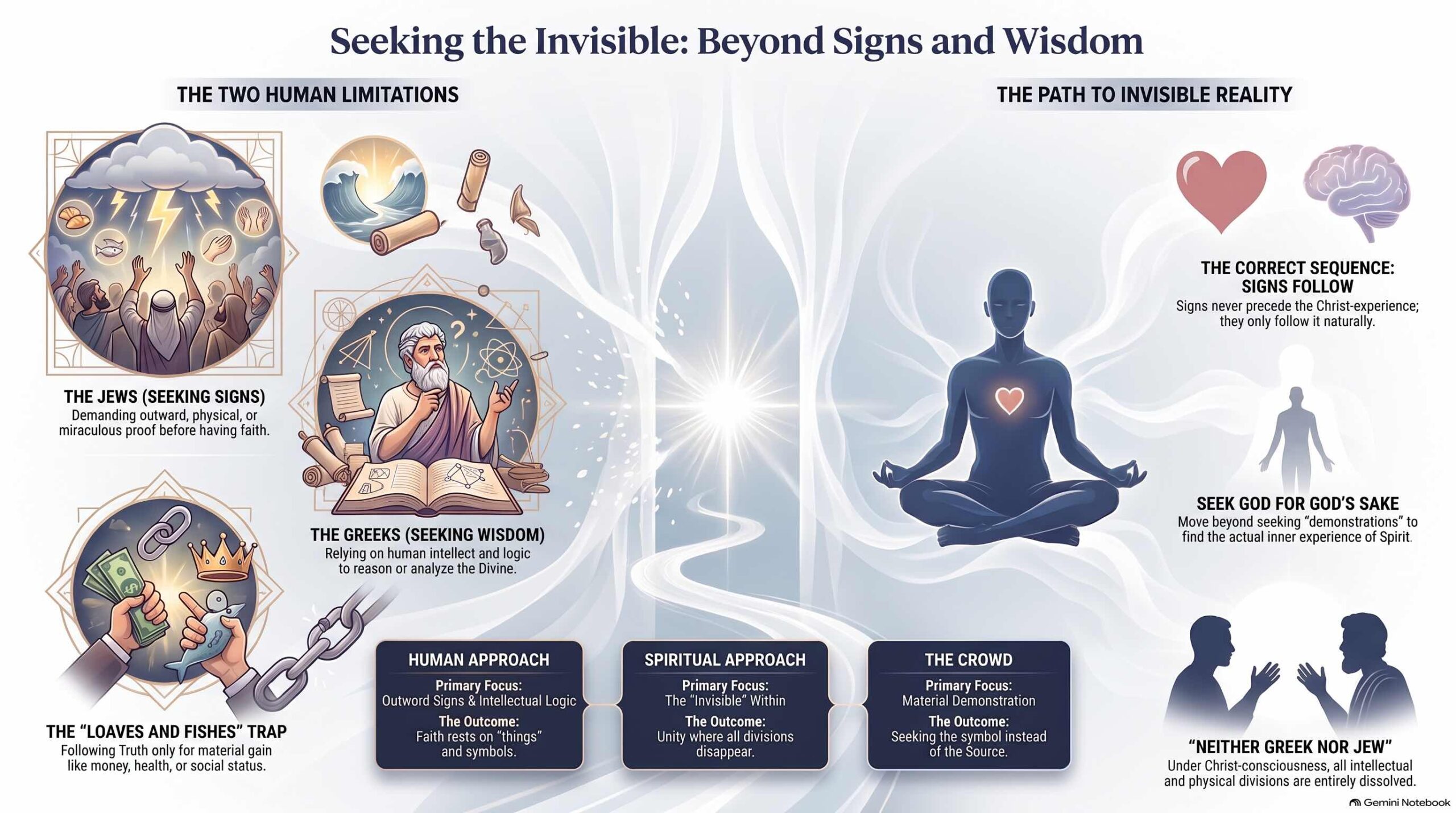
NotebookLM.Google.com’s resource for the above infographic.
The Bible verse that most clearly explains two distinct groups of people with one of them “looking for signs” is 1 Corinthians 1:22:
“For the Jews require a sign, and the Greeks seek after wisdom.” (1 Corinthians 1:22)
In his writings, Joel S. Goldsmith often discusses this division between the Jews and the Greeks (or Gentiles) to explain two different human approaches to reality.
- The Jews (looking for signs): This represents the human tendency to demand outward, physical, or miraculous proof—like manna falling from the sky or a physical healing—before having faith.
- The Greeks (seeking after wisdom): This represents the intellectual approach that tries to reason, outline, and analyze God using the human mind.
Goldsmith teaches that both groups are looking in the wrong direction; we must rise above both the demand for physical signs and the reliance on human intellect to find the Invisible within. Under the Christ-consciousness, these divisions disappear entirely: “there is neither Greek nor Jew, bond nor free, and we are all one in Christ Jesus”.
If you are thinking of other verses where Jesus specifically addresses those who are “looking for signs” and explains different spiritual groups, you might also have one of these scriptures in mind:
1. Matthew 12:39 (and Matthew 16:4)
“An evil and adulterous generation seeketh after a sign; and there shall no sign be given to it, but the sign of the prophet Jonas.”
- The Two Groups: Jesus contrasts the scribes and Pharisees (who repeatedly demand outward proof) with those who can spiritually discern the “signs of the times.”
- Joel’s Interpretation: Goldsmith emphasizes that “there shall no sign be given” in advance to prove we are on the right path. If we are given an outward sign to cling to, our faith rests on a “thing” instead of on the Invisible God. He stresses that “the signs only follow the Christ-experience”; they never precede it.
2. John 6:26
“Verily, verily, I say unto you, Ye seek me, not because ye saw the miracles, but because ye did eat of the loaves, and were filled.”
- The Two Groups: Jesus distinguishes between the crowds who follow Him merely for “loaves and fishes” (outward signs and physical food) and the true disciples who seek the “bread of life” (the Spirit).
- Joel’s Interpretation: Goldsmith warns that most seekers of truth make the mistake of looking for physical “signs of demonstration” (like money, health, or a parking space). He teaches that we must stop seeking the symbols (the loaves and fishes) and seek God for God’s sake alone, allowing the outward signs to follow naturally.
3. John 4:48
“Except ye see signs and wonders, ye will not believe.”
- Joel’s Interpretation: Goldsmith uses this to caution against the human conditioning that refuses to accept invisible Reality unless we are constantly shown spectacular physical signs.
Which of these scriptures feels like the one you were trying to recall? If you’d like to explore how Joel S. Goldsmith contrasts “the loaves and fishes” with the actual “inner experience” of God, we can dive deeper into that!
Yanika, this has been shared by Jo-Jay, from Germany.
Please give the speaker a chance, pretend some openness (-;
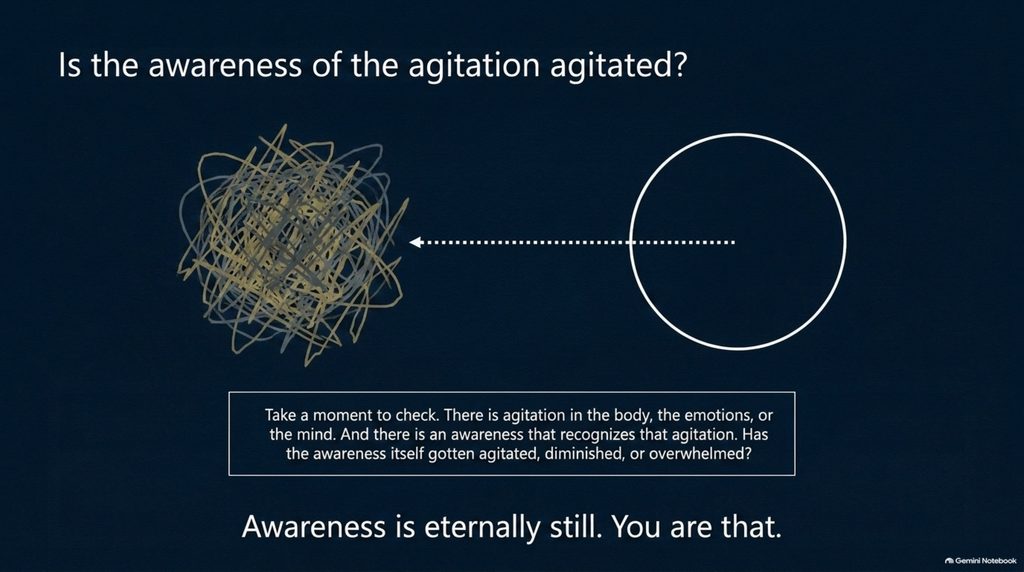
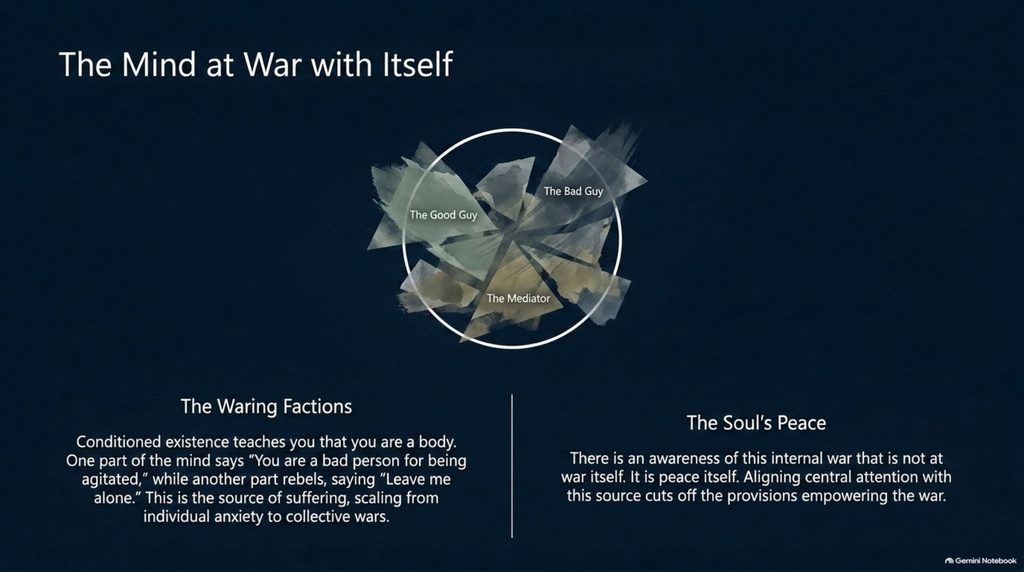
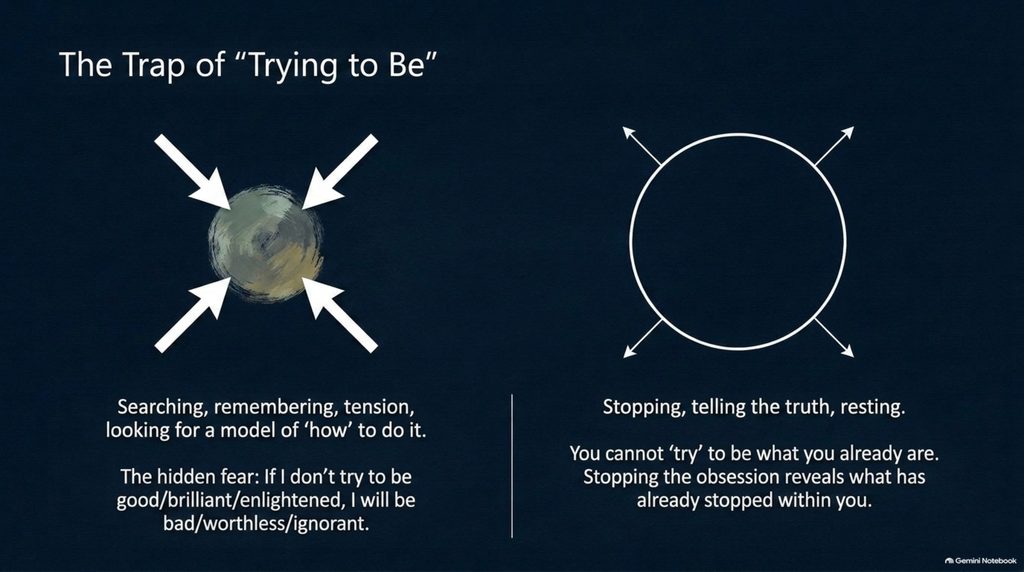
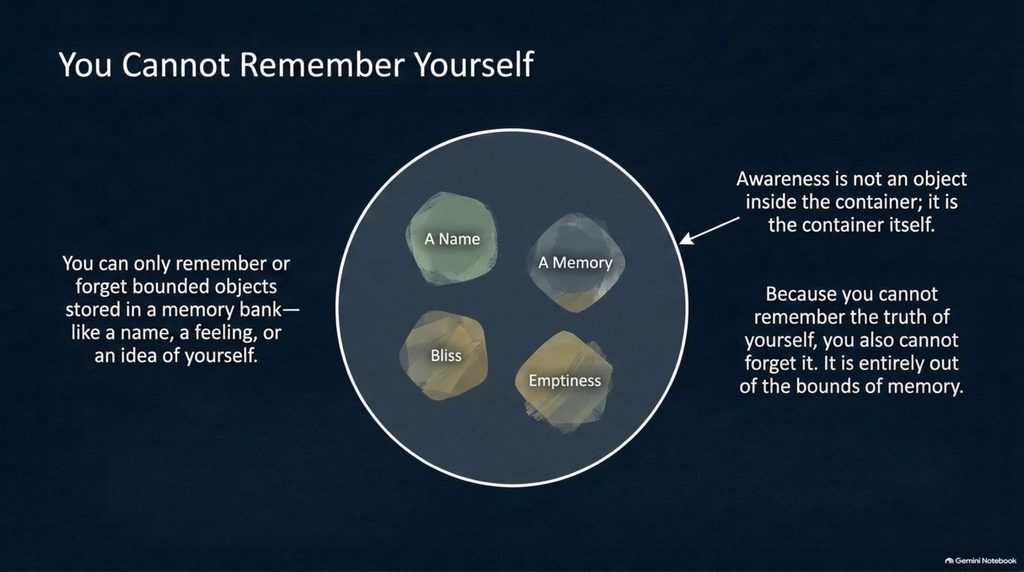
“The most sublime truth of all has never been stated, or written, or sung. Not because it is far away and cannot be reached, but because it is so intimately close. It is too close to be described, objectified, or known, yet it is yours already. It is alive and present as the stillness that is the core of your being.”
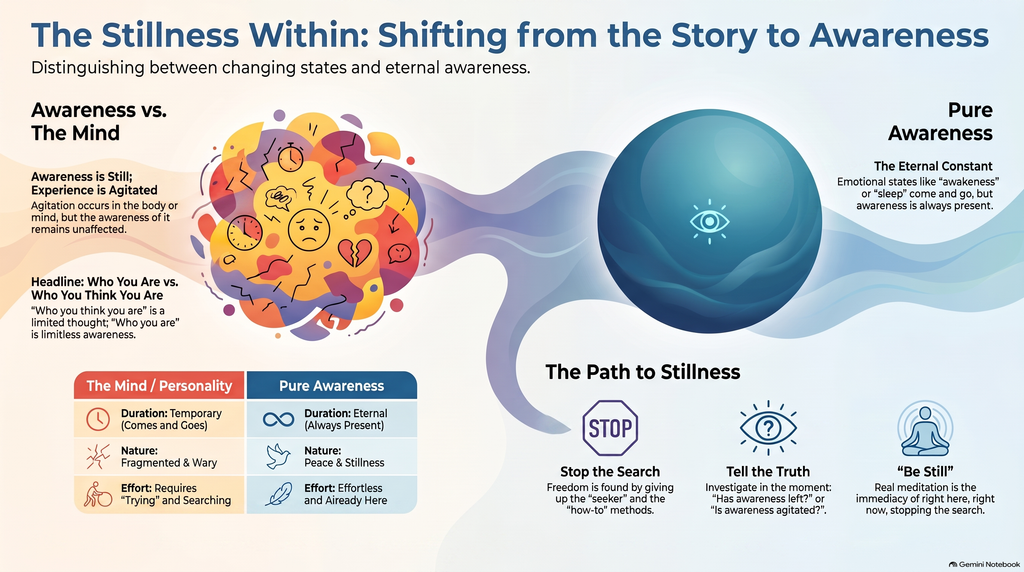
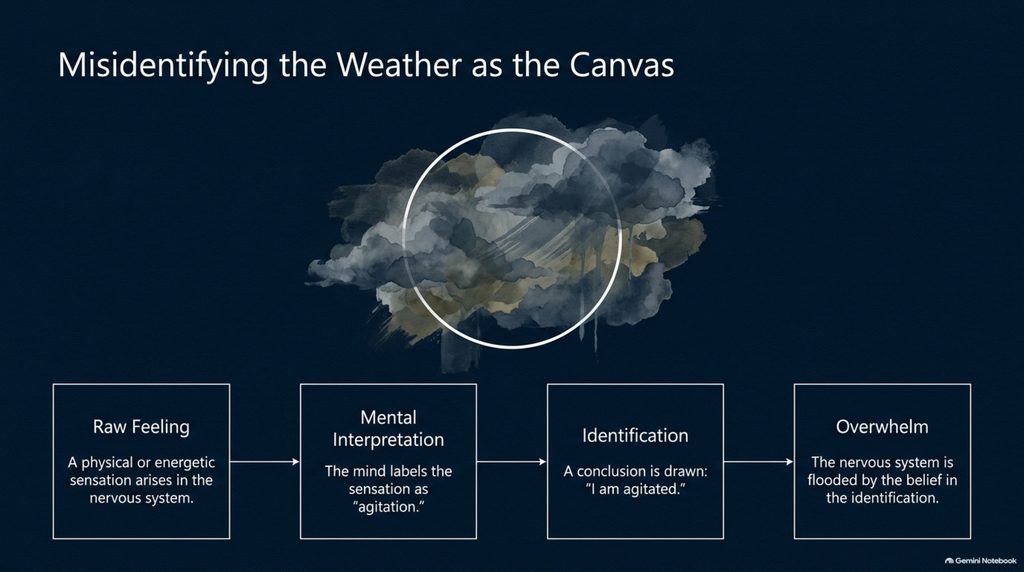
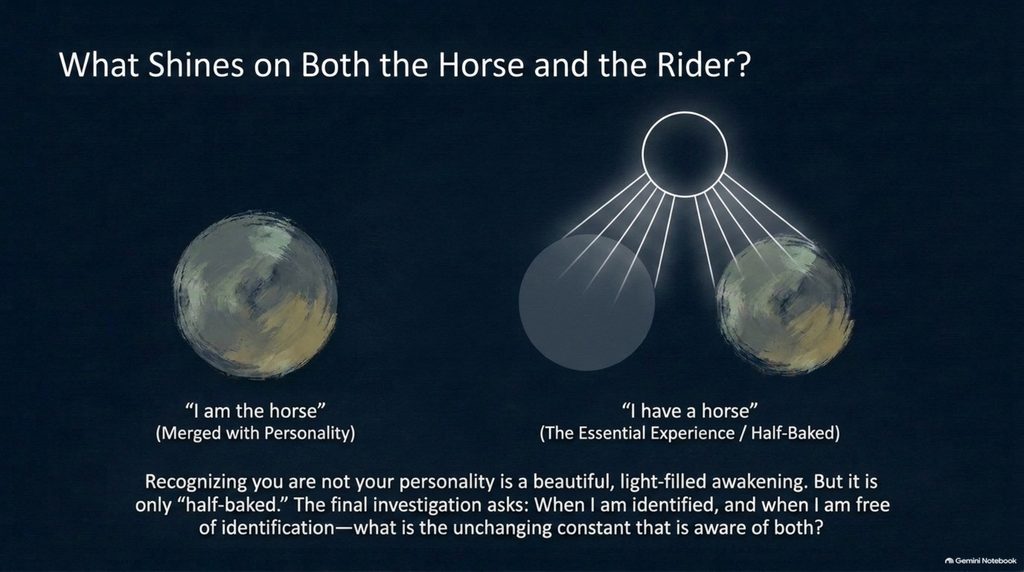
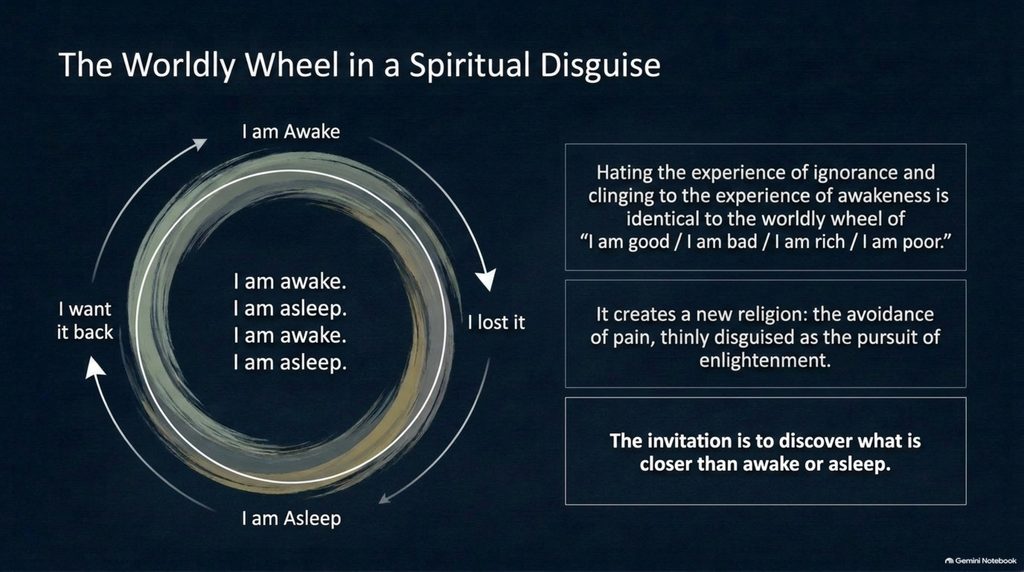
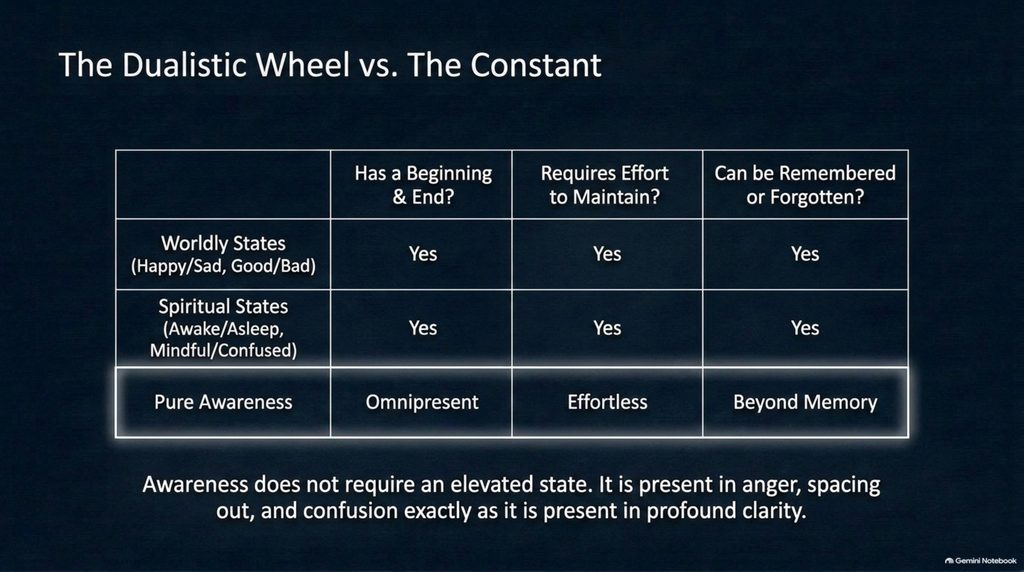
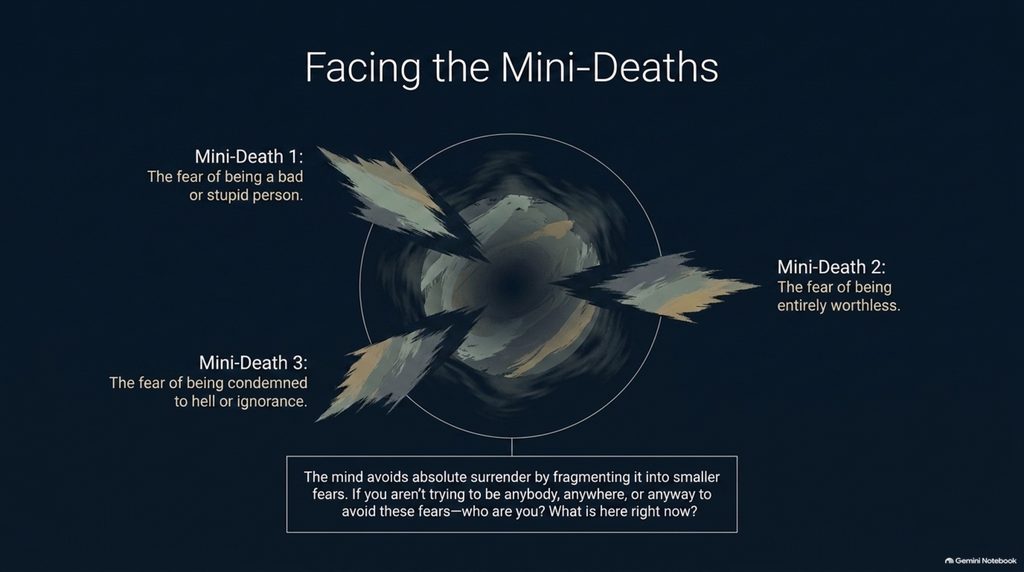
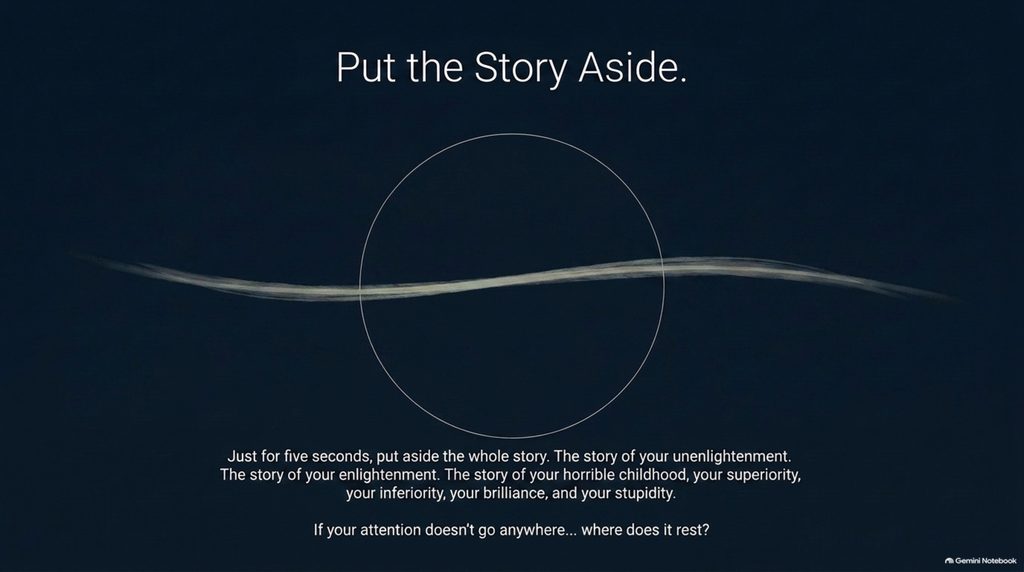
Infographic, based on above audio:


Leave a Reply