12 Sermons (June 14 to September 6, 2026)
Briefly summarize steps 1-12
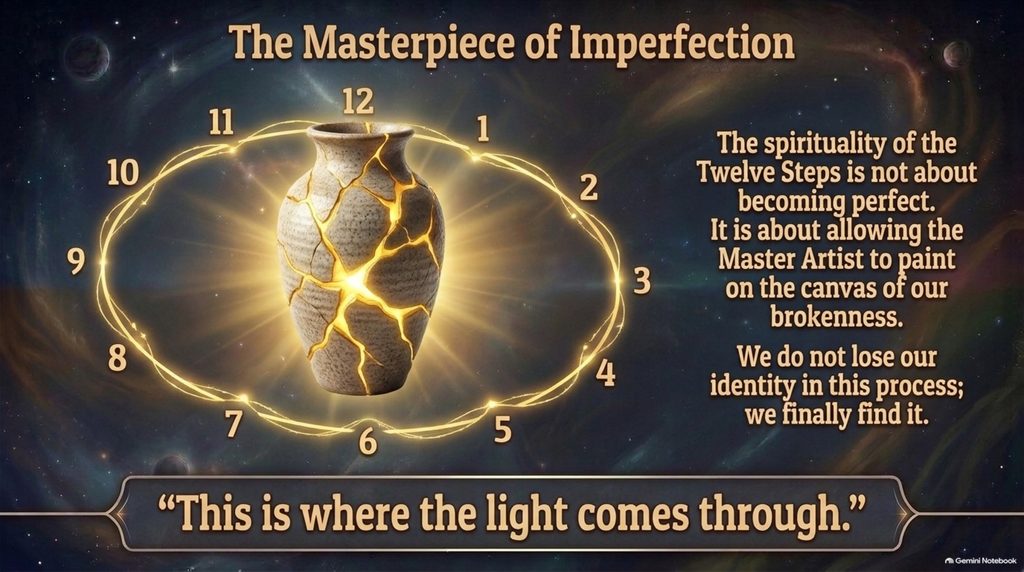
The Spirituality of the Twelve Steps:
Artificial Intelligence looking at Steps 1-12
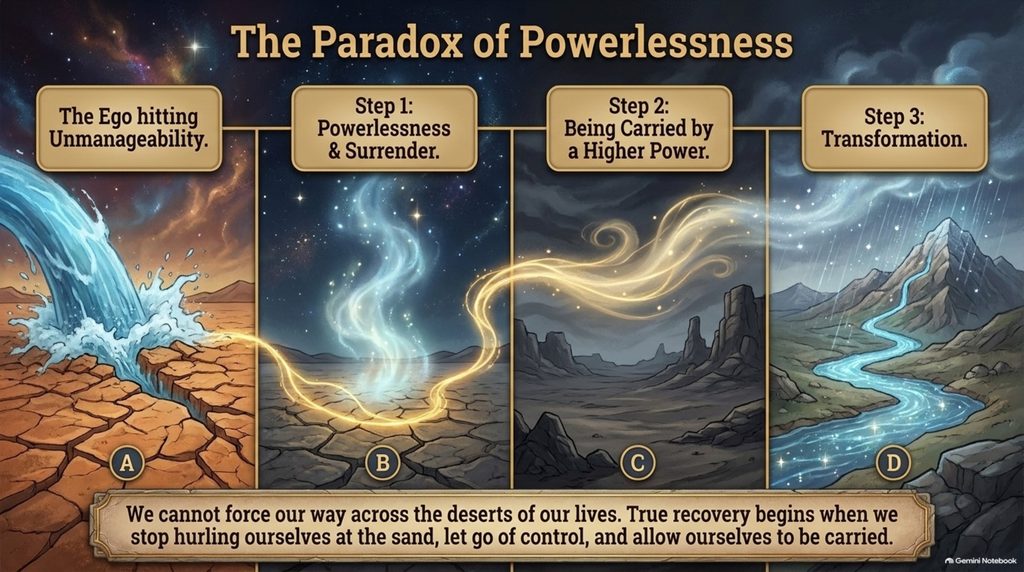
Step 1: Surrender and Truth-Telling We admit we are powerless over ourselves and that our lives have become unmanageable. Like being “poor in spirit,” this step demands the courage to let go of our illusion of control and acknowledge our total dependence.
Step 2: Coming to Believe We come to believe that a Power greater than ourselves can restore us to sanity. This is not an overnight decision but a gradual “trust walk” and a progressive process of grace that connects us with our true self, or soul.
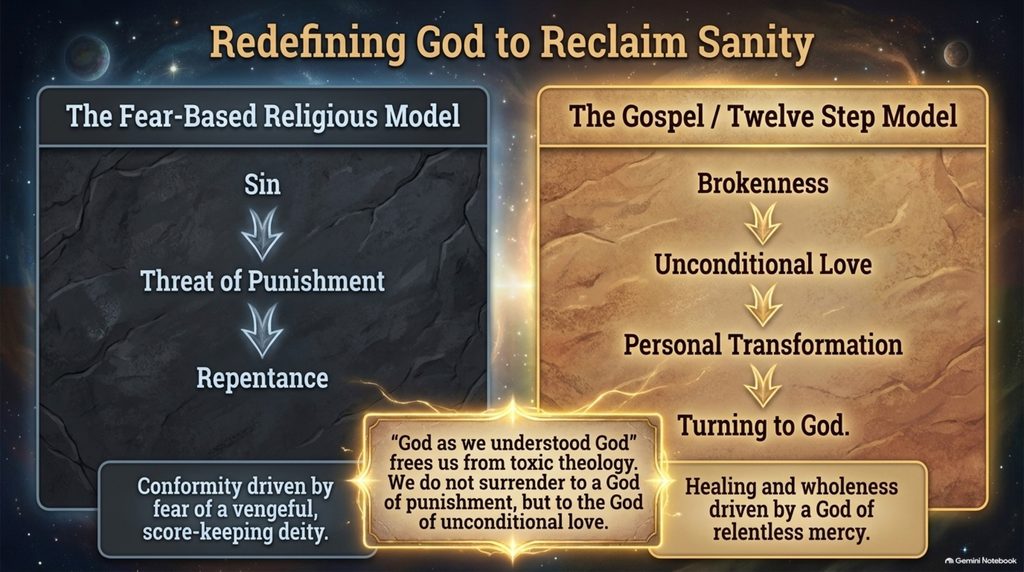
Step 3: Choosing to Turn Over Our Lives We make a decision to turn our will and our lives over to the care of God as we understand God. It is an act of total surrender and crying out in desperation to a God of unconditional love, trusting the flow of Spirit rather than our own ego.
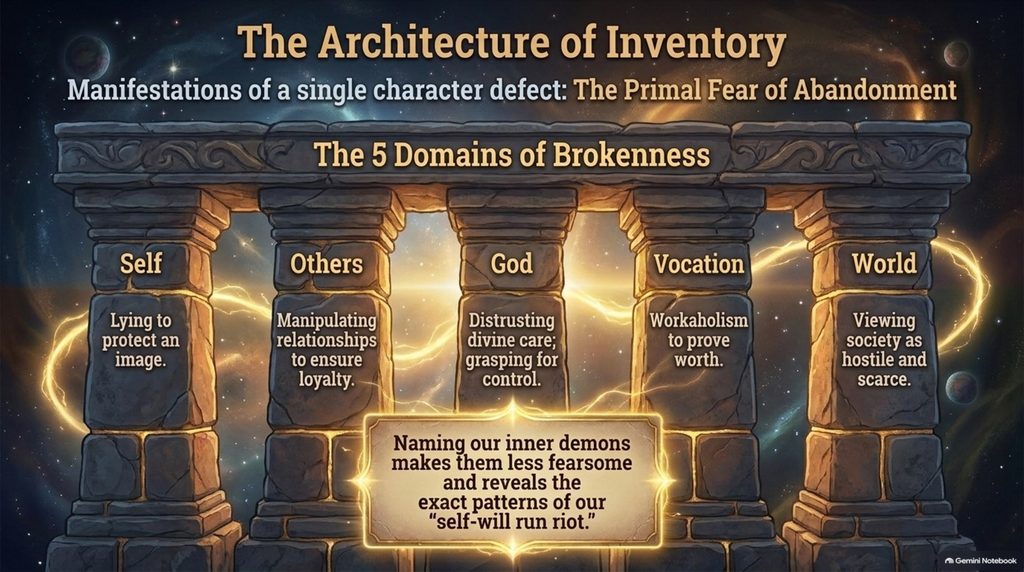
Step 4: Taking Fearless Inventory We make a searching and fearless moral inventory of ourselves. Here, we get practical and concrete, documenting specific patterns of “self-will run riot” across key areas of our lives: ourselves, others, God, vocation, and the world.
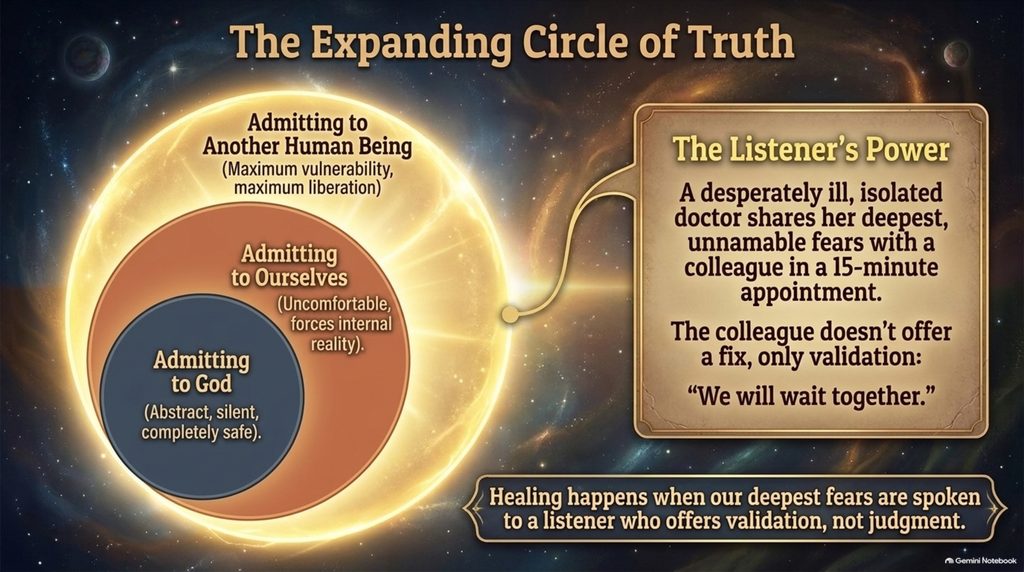
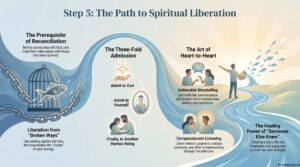
Step 5: Heart-to-Heart Admission We admit to God, to ourselves, and to another human being the exact nature of our wrongs. This progressive, relational process of storytelling and storyhearing breaks our chains of isolation and brings profound spiritual liberation.
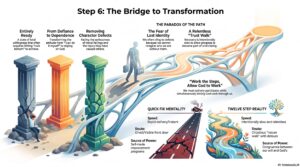
Step 6: Becoming Entirely Ready We become entirely ready to have God remove all our defects of character. This requires us to transform our attitude from defiance to dependence and overcome the fear of losing our identity when our defects are lifted.
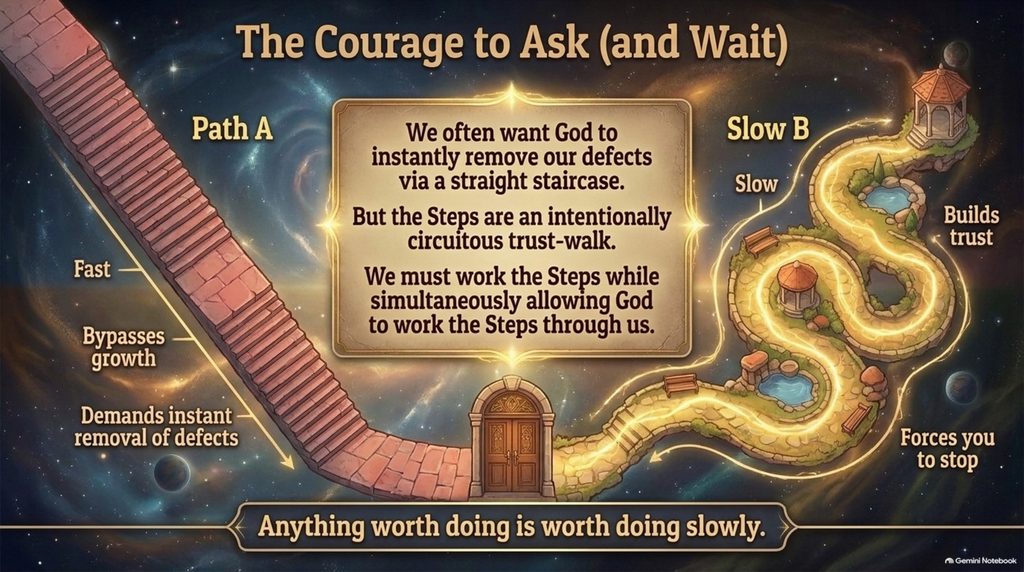
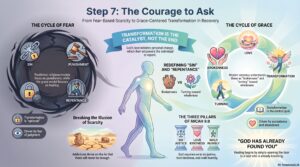
Step 7: The Courage to Ask We humbly ask God to remove our shortcomings. Recognizing our brokenness, we turn toward God’s unconditional love, which inspires personal transformation and heals our character flaws.
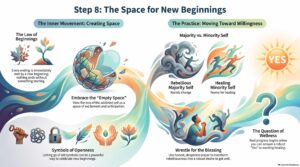
Step 8: Making the List of Harm We make a list of all the persons we have harmed and become willing to make amends to them all. This step forces us to face our personal brokenness concretely and wrestle with our inner rebelliousness until we truly desire to get well.
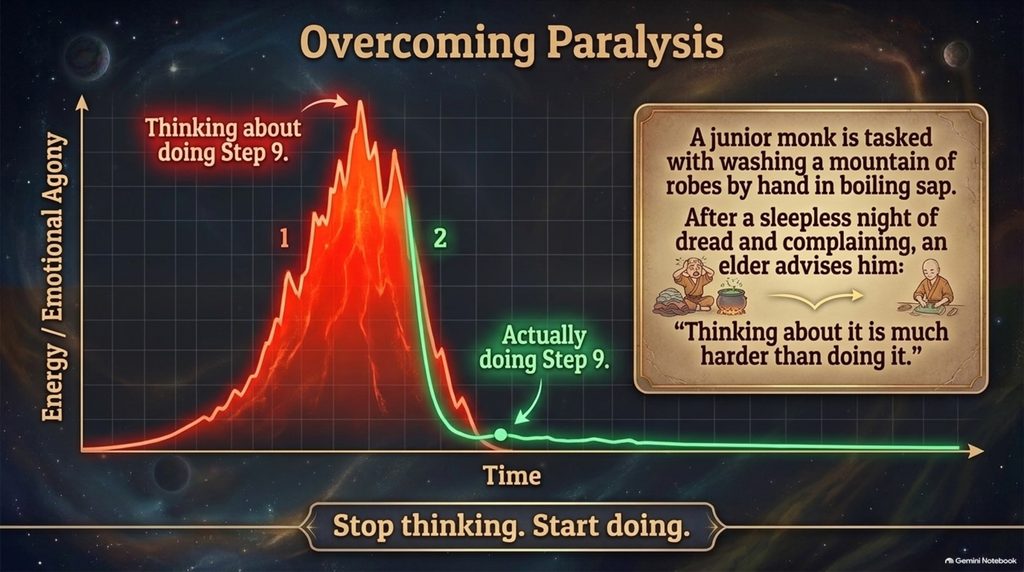
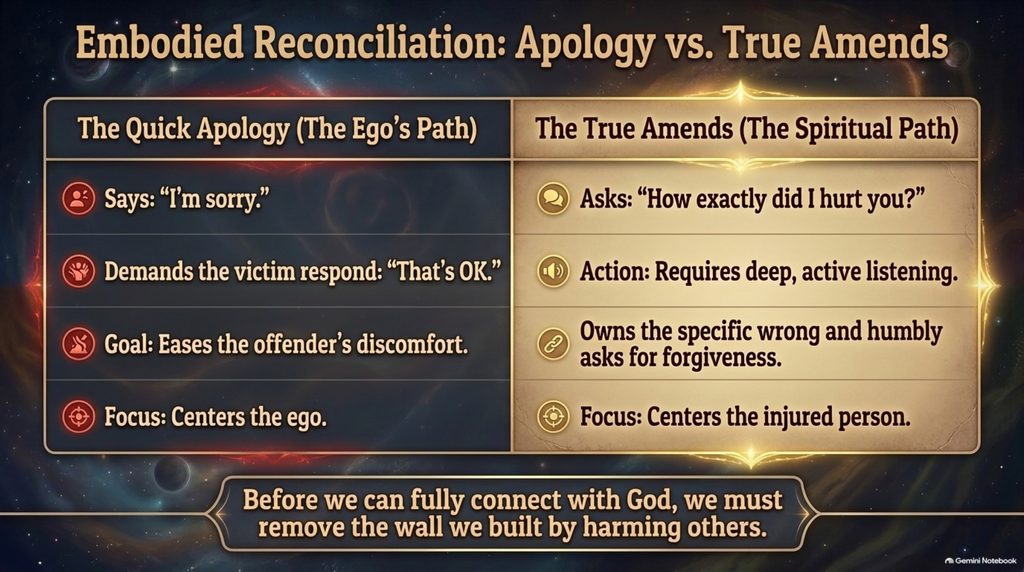
Step 9: Embodied Reconciliation We make direct amends to such people wherever possible, except when to do so would injure them or others. Shifting from thinking to doing, we practice active listening and humbly ask for forgiveness to break down the walls between us, others, and God.
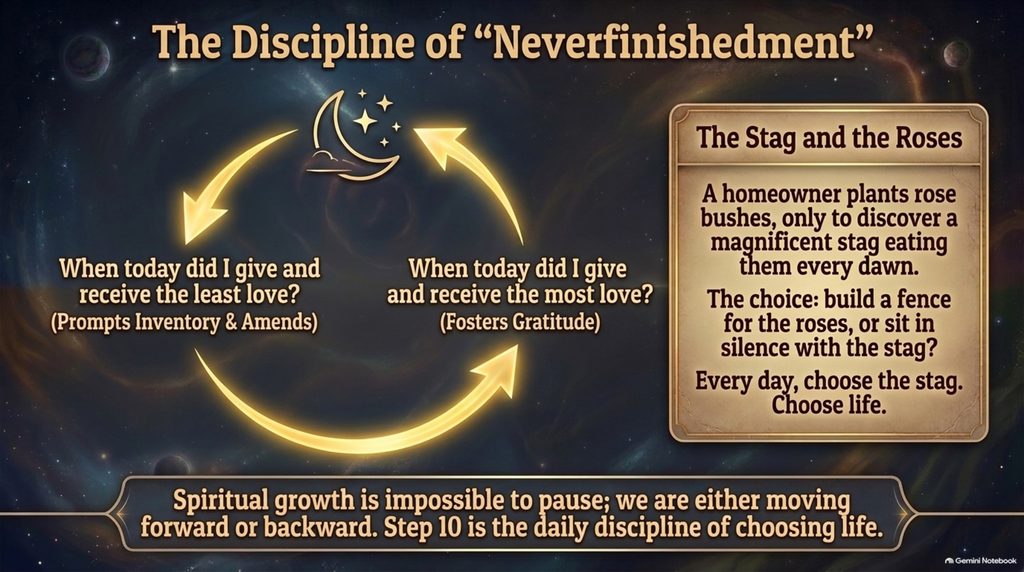
Step 10: Continued Personal Inventory We continue to take personal inventory and when we were wrong promptly admit it. Recognizing that spiritual growth is a lifelong journey of “neverfinishedment,” we practice daily self-reflection on where we gave and withheld love to maintain honesty and keep from losing ground.
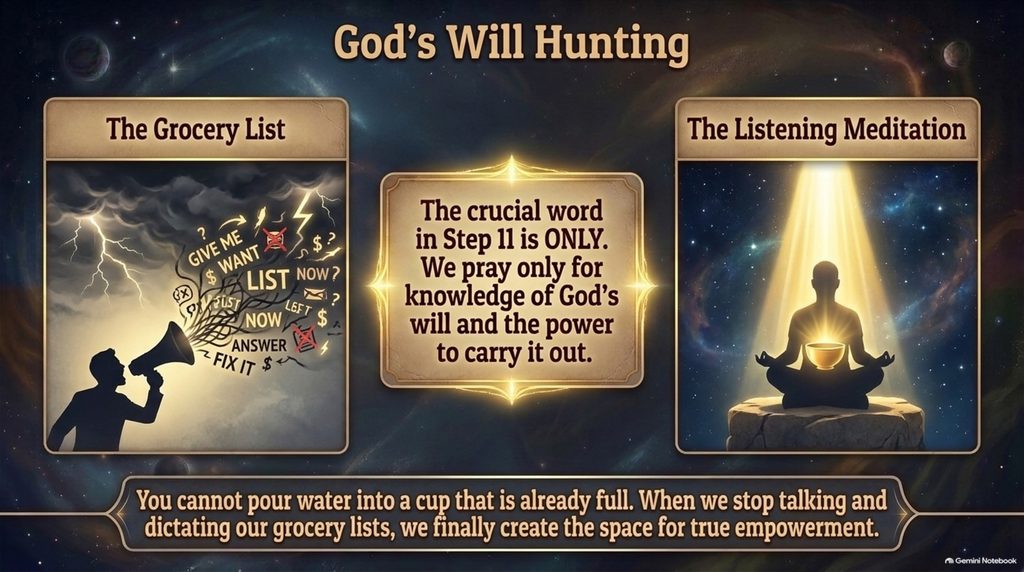
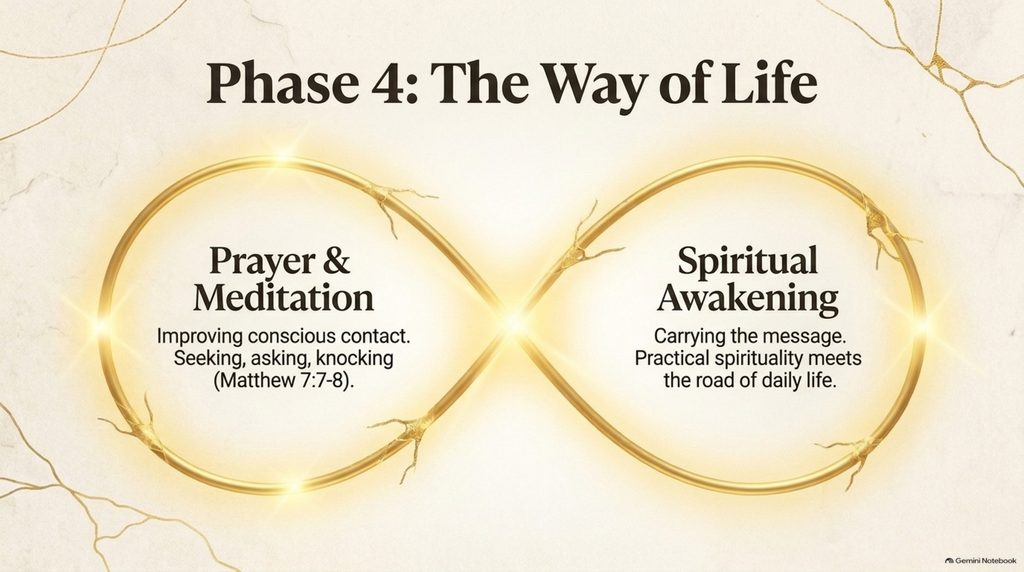
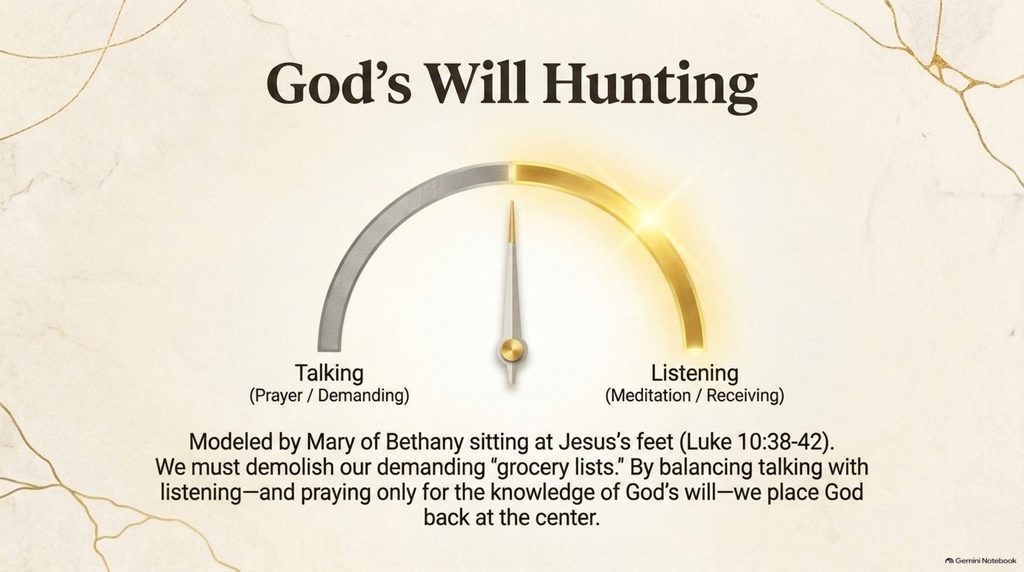
Step 11: Prayer and Meditation We seek to improve our conscious contact with God as we understand God, praying only for knowledge of His will for us and the power to carry that out. By balancing talking (prayer) and listening (meditation) and focusing only on God’s desires rather than our own, we put God at the center of our lives.
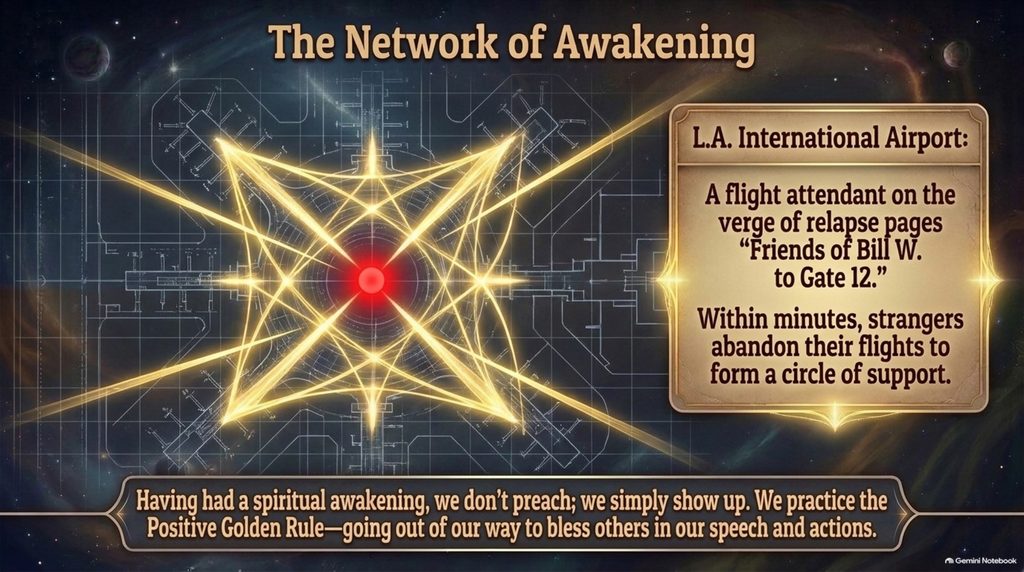
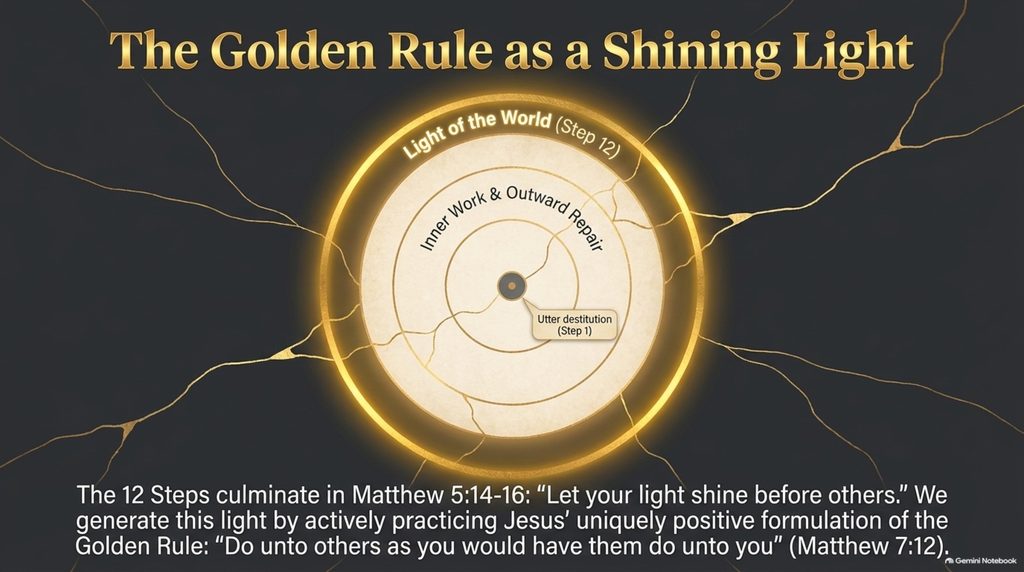
Step 12: The Gift of Awakening Having had a spiritual awakening as a result of these steps, we try to carry this message to others and practice these principles in all our affairs. We let our transformed lives do the talking (passive evangelism) and proactively live out the Golden Rule, bringing light and supportive community into the world.
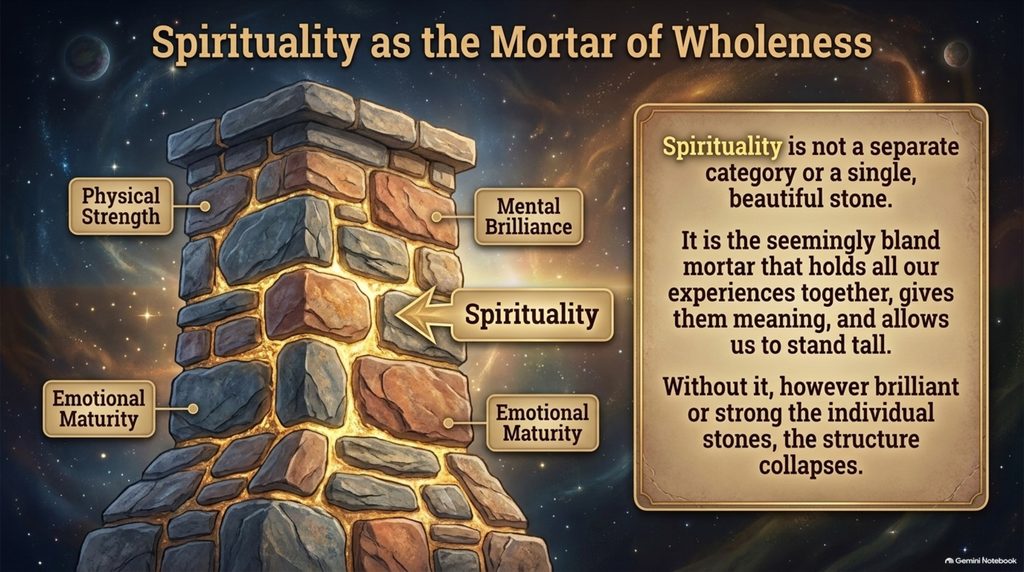
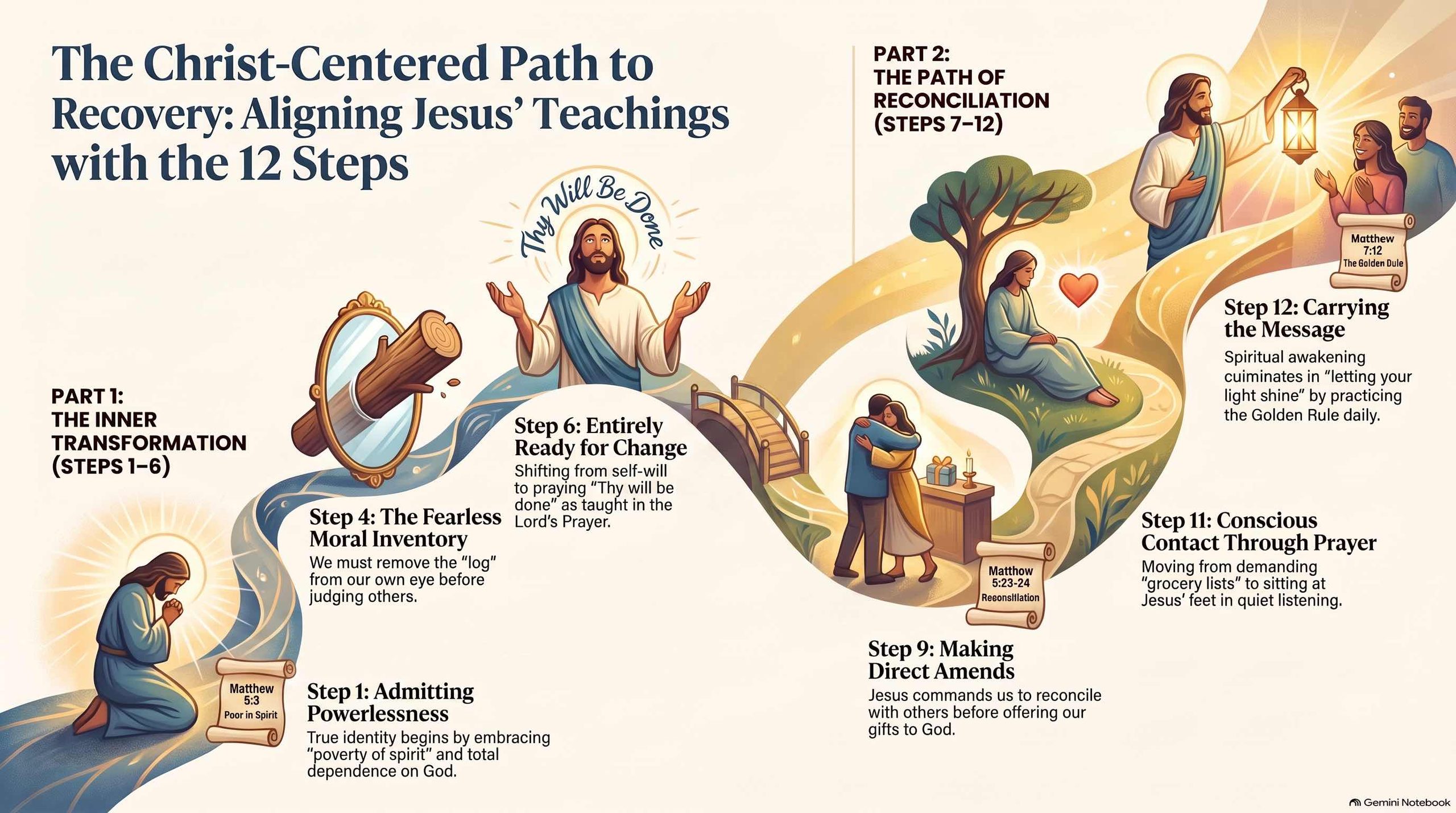
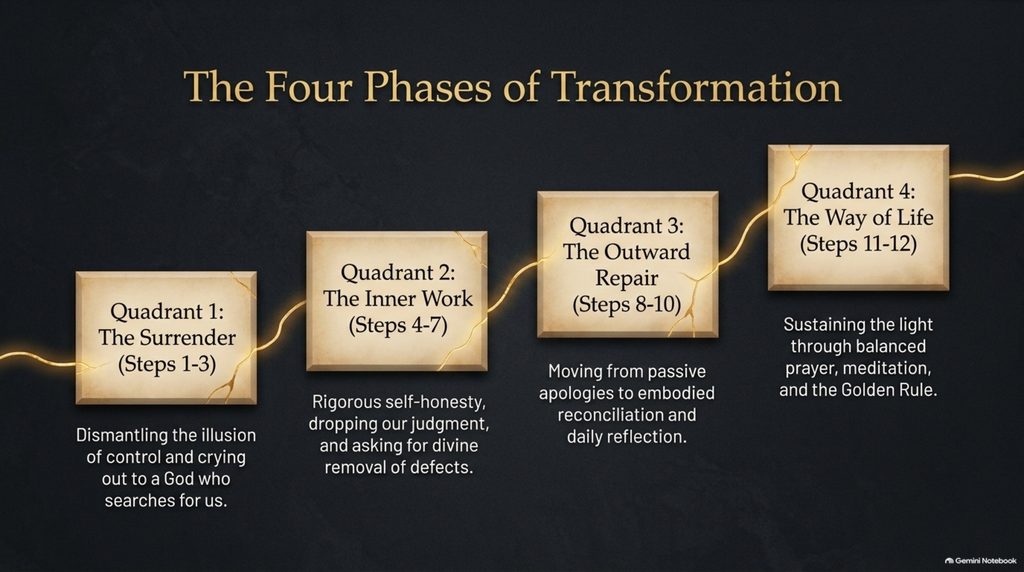
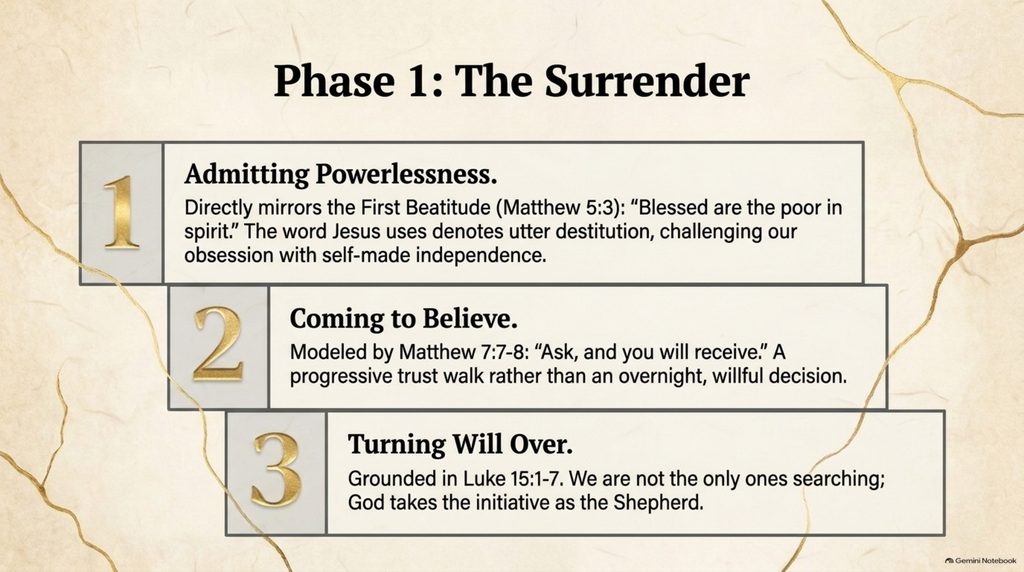
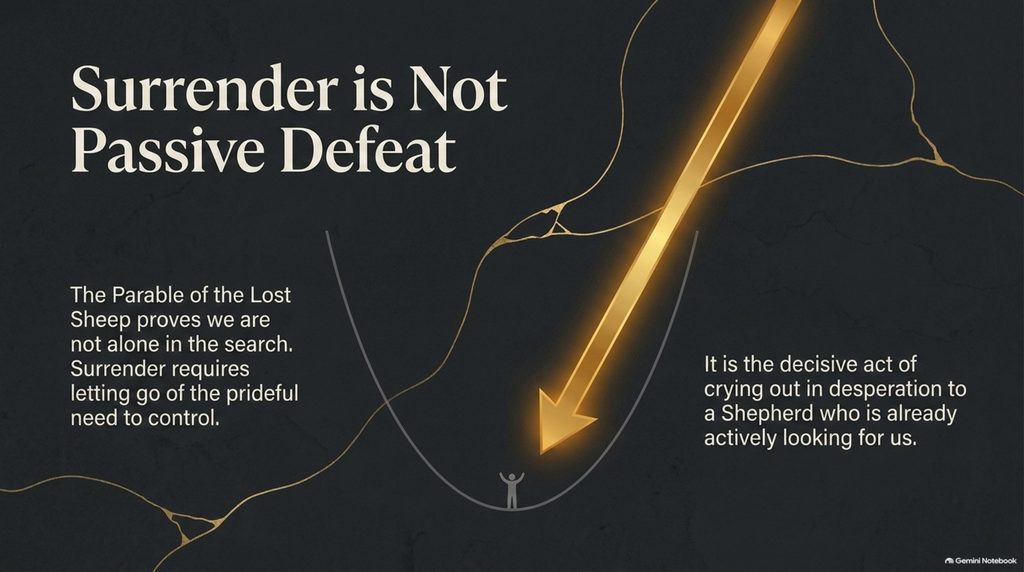
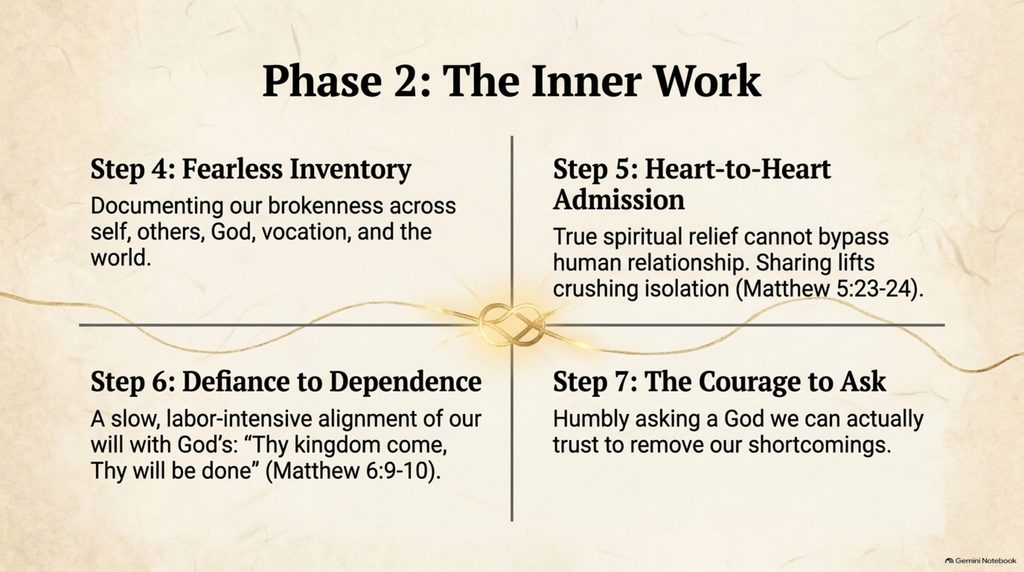
Ai generated infographic, based on the Sermons 1-12
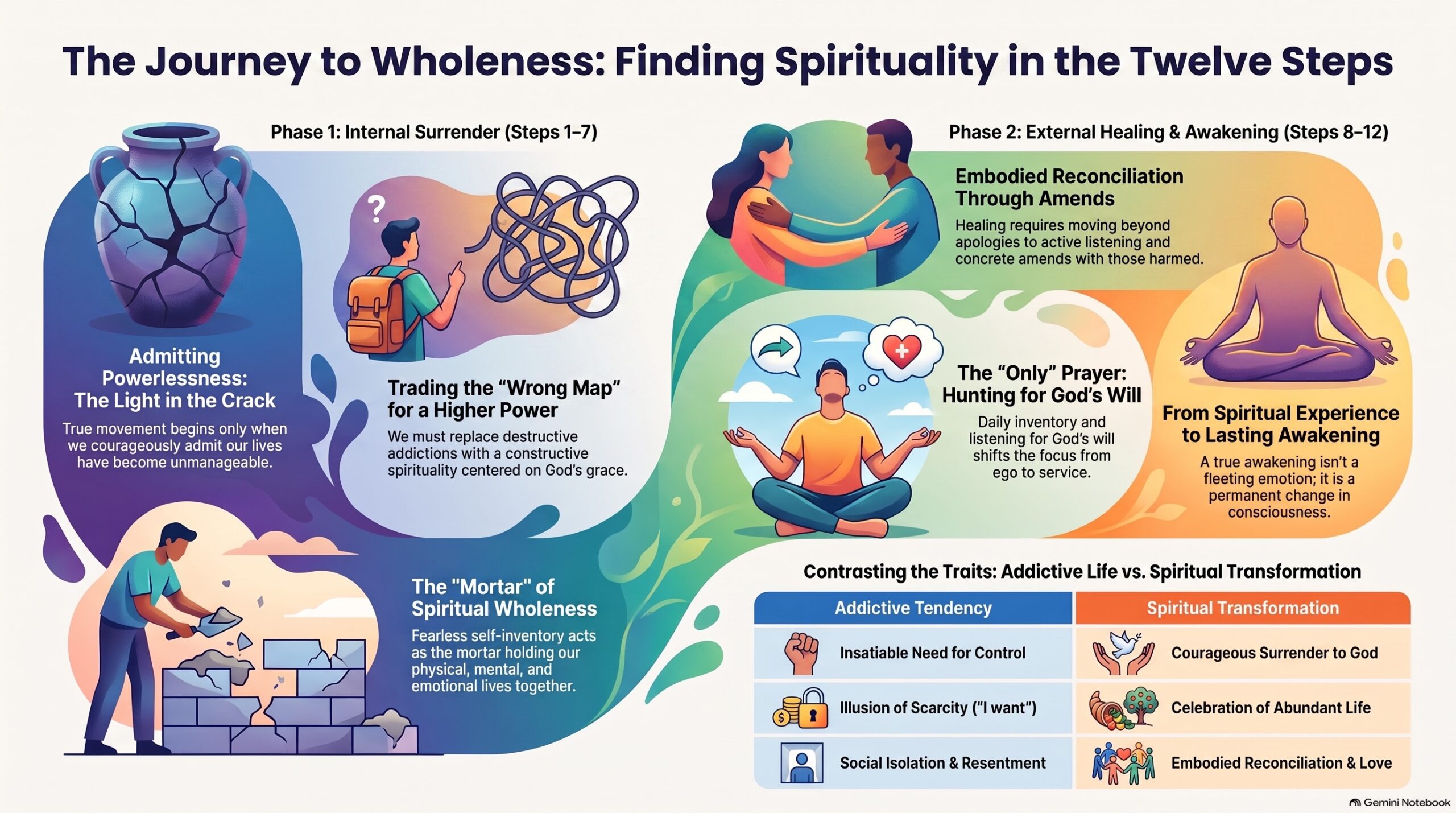
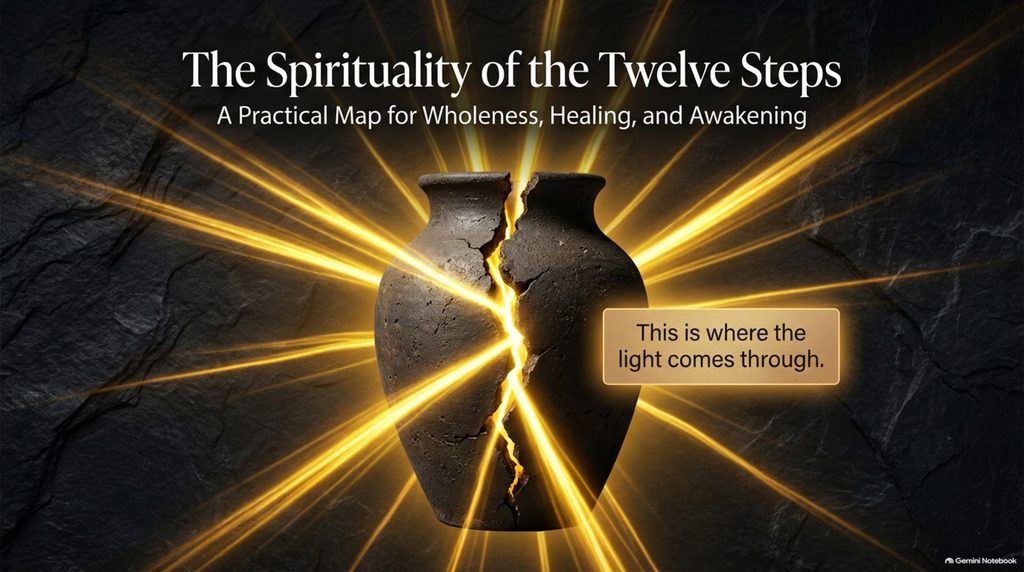
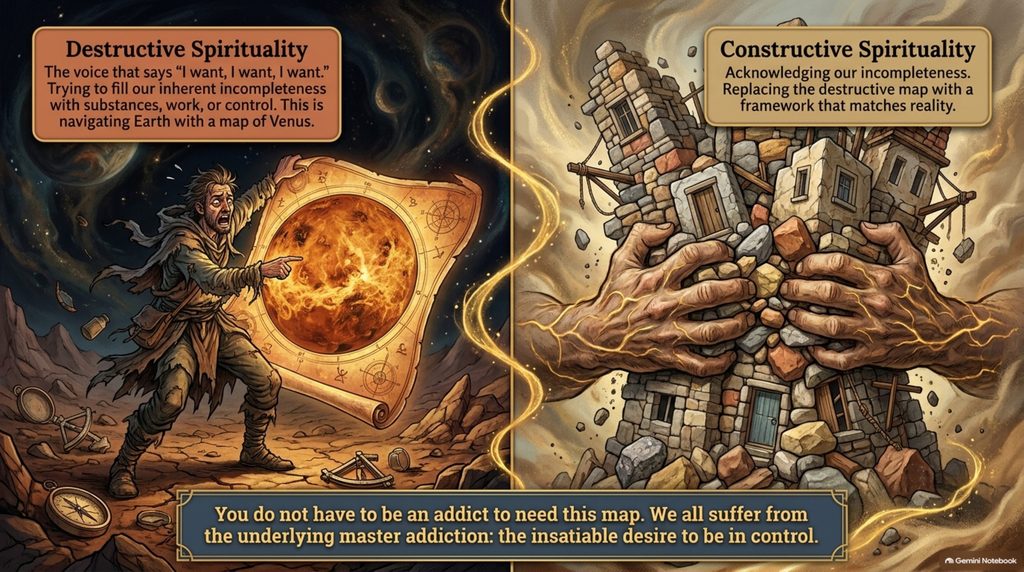
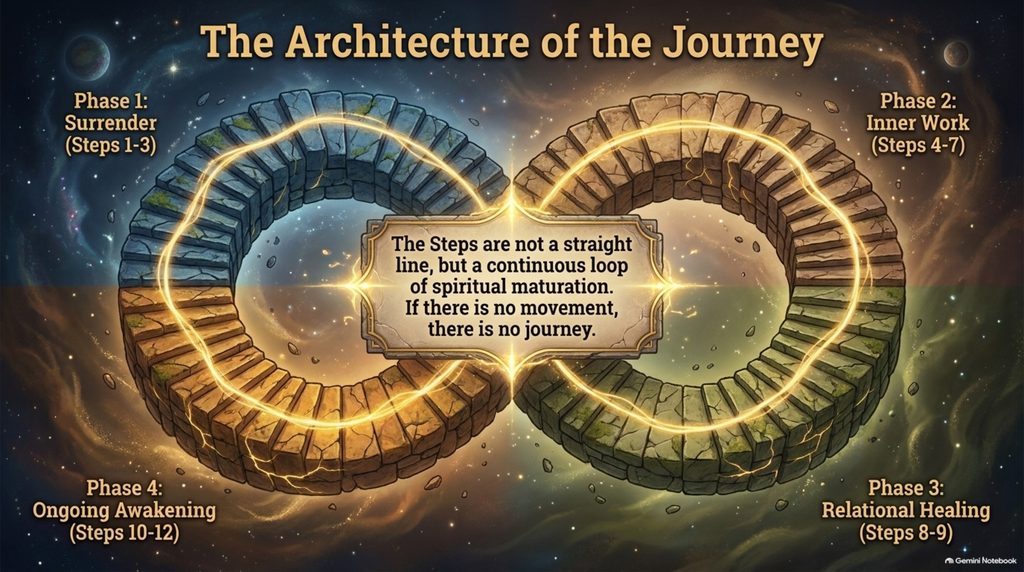
How do the 12 steps align with Jesus’ teaching?
Jesus and the 12 Steps, Study Guide
A Comprehensive Alignment Guide
This study guide explores the profound theological and practical intersections between the Twelve Steps of recovery and the foundational teachings of Jesus. Based on the analysis provided in “Jesus and 12 Steps,” each step is examined through the lens of the New Testament, highlighting how the recovery process mirrors the spiritual journey toward wholeness, humility, and reconciliation.
Step 1: Powerlessness and the First Beatitude
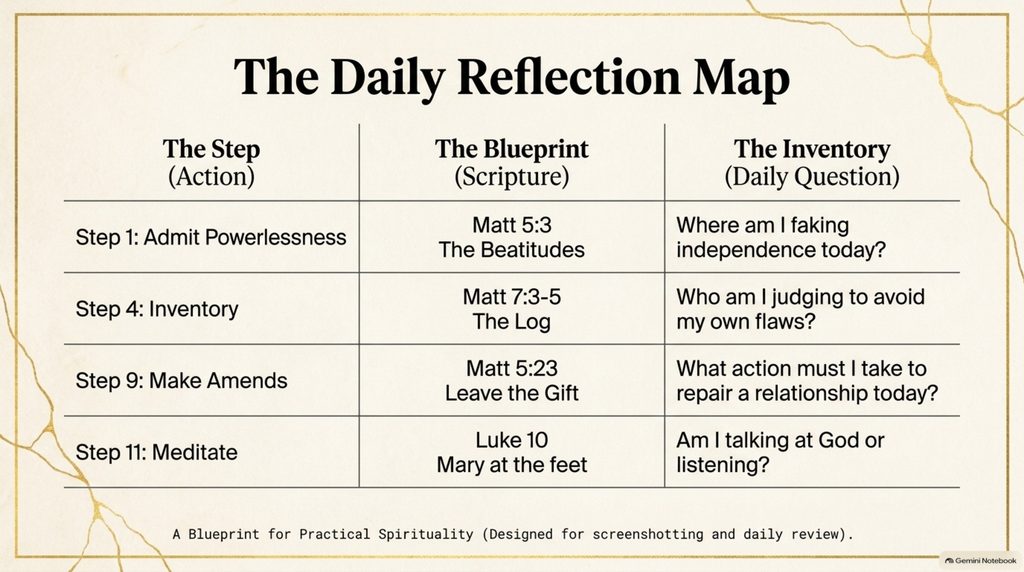
The Step: Admitting powerlessness over addiction and that life has become unmanageable. The Biblical Alignment: “Blessed are the poor in spirit, for theirs is the kingdom of heaven” (Matthew 5:3).
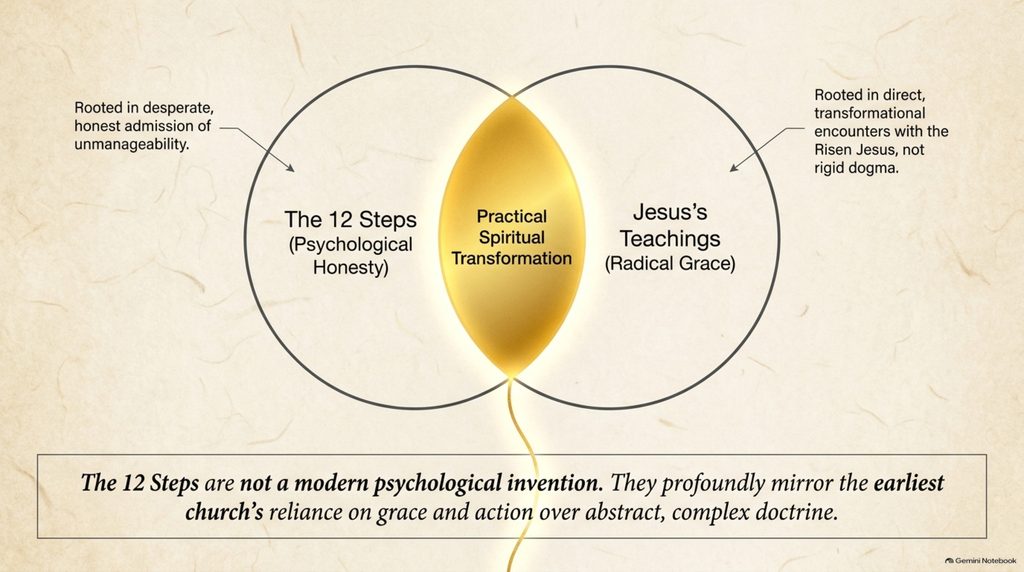
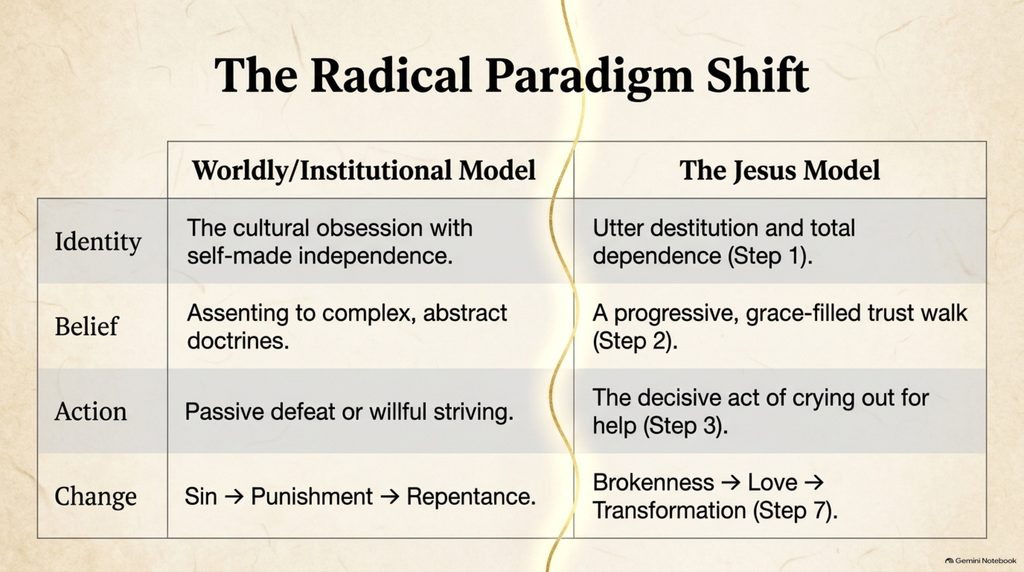
In this teaching, Jesus uses a specific term for “poor” that signifies utter destitution and total dependence. This correlates directly with Step 1, which requires an honest admission of one’s own powerlessness. By challenging the cultural idol of self-made independence, both Jesus and the Twelve Steps suggest that recognizing one’s need is the essential prerequisite for discovering true identity.
Step 2: The Trust Walk and Divine Promise
The Step: Coming to believe that a Power greater than ourselves could restore us to sanity. The Biblical Alignment: “Ask, and you will receive. Search, and you will find” (Matthew 7:7-8).
Step 2 is viewed as a progressive “trust walk” rather than a sudden, intellectual decision. This aligns with the experience of the early church, which was rooted in direct encounters with the Risen Jesus rather than rigid dogma. It mirrors Jesus’ promise that active seeking—rather than the mastery of complex doctrine—leads to discovery and grace.
Step 3: Surrender and the Parable of the Lost Sheep
The Step: Deciding to turn our will and our lives over to the care of God. The Biblical Alignment: The Parable of the Lost Sheep (Luke 15:1-7).
Surrender in Step 3 is not an act of passive defeat, but a decisive cry for help. This is grounded in the reality that God acts as a Shepherd who takes the initiative to search for us until we are found. The alignment underscores that we are not alone in our searching; God is proactively seeking the lost.
Step 4: Moral Inventory and the Log in the Eye
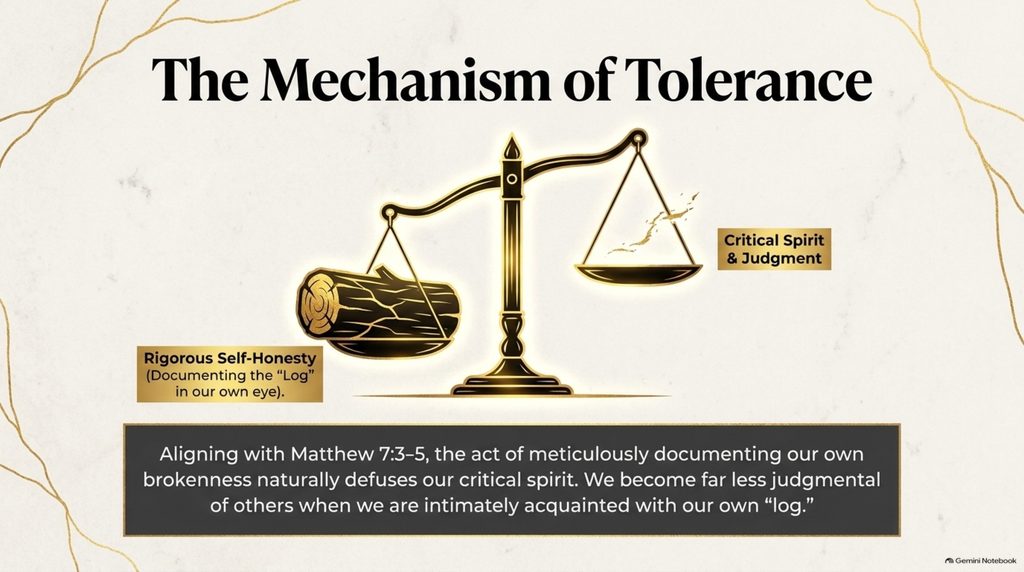
The Step: Making a searching and fearless moral inventory of ourselves. The Biblical Alignment: “Why do you see the speck in your neighbor’s eye, but do not notice the log in your own eye?” (Matthew 7:3-5).
Step 4 requires documenting brokenness across various life areas—self, others, God, vocation, and the world. By identifying the “log” in our own eye first, we practice rigorous self-honesty. This process naturally defuses a critical spirit, fostering a sense of tolerance and reducing judgment toward others.
Step 5: Admission and the Law of Reconciliation
The Step: Admitting to God, to ourselves, and to another human being the exact nature of our wrongs. The Biblical Alignment: “First go and be reconciled to that person; then come and offer your gift” (Matthew 5:23-24).
Jesus taught that spiritual connection cannot bypass human relationships. Step 5 replicates the healing community Jesus envisioned by removing the isolation of secrets. Sharing wrongs with a non-judgmental listener fulfills the spiritual law that reconciliation with others is necessary for relief and spiritual growth.
Step 6: Readiness and the Lord’s Prayer
The Step: Becoming entirely ready to have God remove all these defects of character. The Biblical Alignment: “Thy kingdom come, Thy will be done, on earth as it is in heaven” (Matthew 6:9-10).
Step 6 represents the slow transition from defiance to dependence. It is the practical application of the Lord’s Prayer, where the individual ceases to run their own self-made improvement programs and allows their human will to become congruent with the divine will.
Step 7: Humility and Unconditional Love
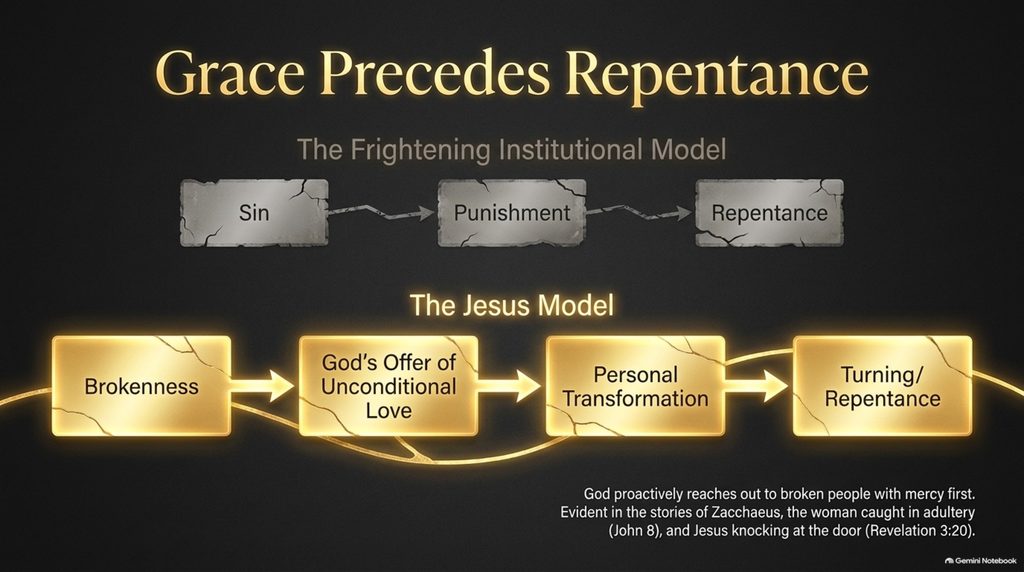
The Step: Humbly asking God to remove our shortcomings. The Biblical Alignment: The story of Zacchaeus; the woman caught in adultery (John 8:3-11); and Jesus knocking at the door (Revelation 3:20).
Step 7 relies on a model of God that prioritizes mercy over punishment. Unlike traditional models where repentance must precede love, Jesus lived a model where brokenness leads to God’s offer of unconditional love, which then empowers transformation and repentance. This is seen in Jesus’ ministry to the marginalized and his proactive reach toward the broken.
Step 8: Willingness and the Pool of Bethesda
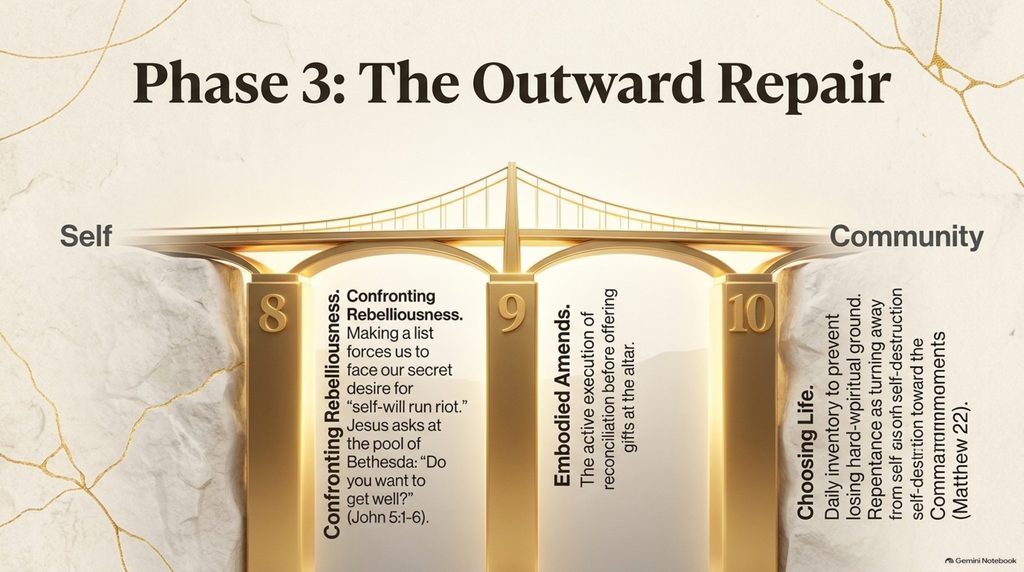
The Step: Making a list of all persons we had harmed and becoming willing to make amends to them all. The Biblical Alignment: “Do you want to get well?” (John 5:1-6).
Step 8 forces a confrontation with inner rebelliousness and the desire to remain in “self-will run riot.” It echoes the question Jesus asked the paralyzed man at the pool of Bethesda. This step requires the individual to pray for the divine desire to truly heal and move toward restoration.
Step 9: Amends and Embodied Action
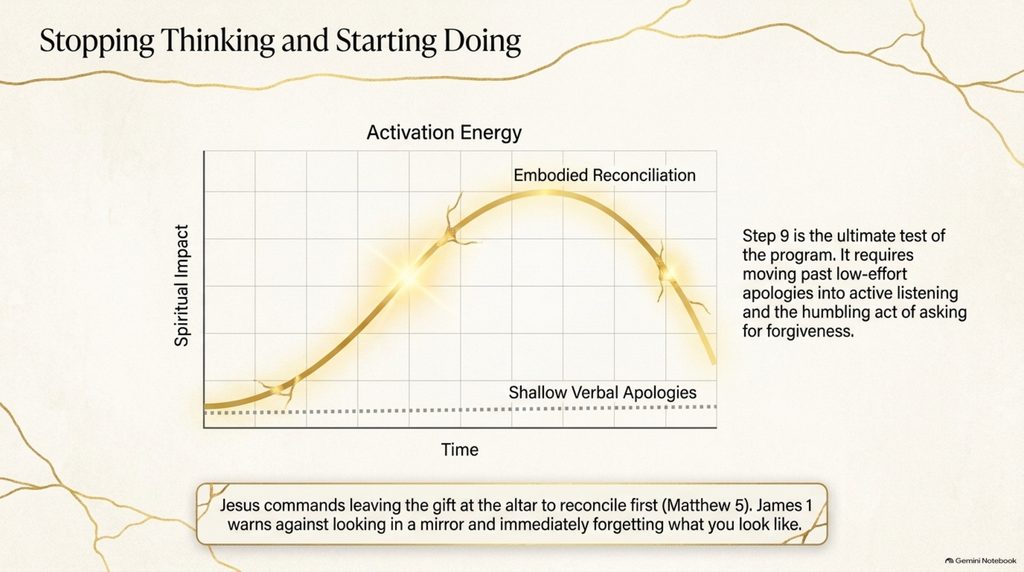
The Step: Making direct amends to such people wherever possible. The Biblical Alignment: Leaving the gift at the altar (Matthew 5:23-24) and the mirror of the Word (James 1:23-24).
Step 9 is the active execution of Jesus’ command to reconcile before offering worship. It moves beyond shallow apologies to active listening and the humble act of asking for forgiveness. This ensures that the individual is not like the one who looks in a mirror and immediately forgets their true reflection; it is spirituality in action.
Step 10: Continued Inventory and the Great Commandments
The Step: Continuing to take personal inventory and promptly admitting when we are wrong. The Biblical Alignment: The Great Commandments (Matthew 22:37, 39).
Step 10 is a daily discipline of self-reflection to maintain spiritual ground. It is linked to the literal meaning of “repentance”—turning away from self-destruction and toward life. This life-giving path is summarized by Jesus as loving God with all one’s heart and loving one’s neighbor as oneself.
Step 11: Conscious Contact and Mary of Bethany
The Step: Seeking through prayer and meditation to improve our conscious contact with God. The Biblical Alignment: Mary of Bethany at the feet of Jesus (Luke 10:38-42) and the promise to “Knock, and the door will be opened” (Matthew 7:7-8).
Step 11 balances talking (prayer) and listening (meditation). By modeling the posture of Mary of Bethany, who sat at Jesus’ feet, individuals move away from “grocery list” prayers and focus on seeking only the knowledge of God’s will, putting the Divine back at the center of life.
Step 12: Spiritual Awakening and the Golden Rule
The Step: Having had a spiritual awakening, carrying this message to others, and practicing these principles in all our affairs. The Biblical Alignment: “Let your light shine before others” (Matthew 5:14-16) and the Golden Rule (Matthew 7:12).
The final step is where “practical spirituality” manifests in daily life. By following Jesus’ positive formulation of the Golden Rule—to do unto others as we would have them do unto us—the individual lets their light shine. This spiritual awakening is evidenced by good works and the active practice of these principles in the world.
Summary Table: Scriptural Correspondence
| Step | Recovery Concept | Biblical Reference | Key Teaching |
| 1 | Powerlessness | Matthew 5:3 | Poor in spirit / Utter destitution |
| 2 | Coming to Believe | Matthew 7:7-8 | Asking and searching / Trust walk |
| 3 | Surrender of Will | Luke 15:1-7 | The Lost Sheep / God’s initiative |
| 4 | Moral Inventory | Matthew 7:3-5 | Log in the eye / Self-honesty |
| 5 | Admission of Wrongs | Matthew 5:23-24 | Reconciliation before offering gifts |
| 6 | Entirely Ready | Matthew 6:9-10 | “Thy will be done” / Congruence |
| 7 | Humbly Asking | John 8:3-11; Rev 3:20 | Mercy first / Unconditional love |
| 8 | List of Amends | John 5:1-6 | “Do you want to get well?” |
| 9 | Direct Amends | James 1:23-24 | Embodied reconciliation / Action |
| 10 | Continued Inventory | Matthew 22:37-39 | Repentance as choosing life / Love |
| 11 | Prayer & Meditation | Luke 10:38-42 | Mary of Bethany / Listening to God |
| 12 | Carrying the Message | Matthew 5:14-16; 7:12 | Let your light shine / The Golden Rule |
Infographics “Jesus and the 12 Steps”
Paul Wrightman pastors at the Community Church of the Monterey Peninsula, California:
-
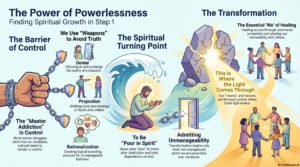
Pastor Paul: Step 1 – The Power Of Powerlessness
Sermon June 14, 2026 “The Spirituality Of The Twelve Steps”
-
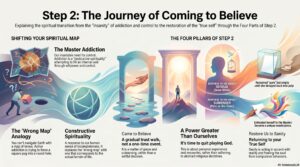
Pastor Paul: Step 2 – Came to Believe
Sermon June 21, 2026 “The Spirituality Of The Twelve Steps”
-
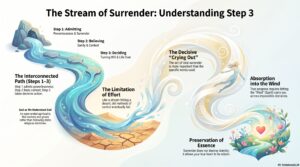
Pastor Paul: Step 3 – Choosing God
Sermon June 28, 2026 “The Spirituality Of The Twelve Steps”
-
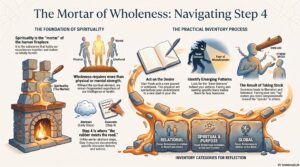
Pastor Paul: Step 4 – Taking Stock
Sermon July 5, 2026 “The Spirituality Of The Twelve Steps”
-
Pastor Paul: Step 5 – Heart-To-Heart
Sermon July 12, 2026 “The Spirituality Of The Twelve Steps”
-
Pastor Paul: Step 6 – Becoming Ready
Sermon July 26, 2026 “The Spirituality Of The Twelve Steps”
-
Pastor Paul: Step 7 – The Courage to Ask
Sermon August 2, 2026 “The Spirituality Of The Twelve Steps”
-
Pastor Paul: Step 8 — Making a List
Sermon August 9, 2026 “The Spirituality Of The Twelve Steps”
-
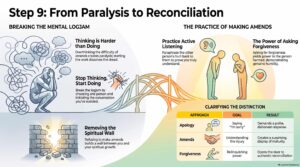
Pastor Paul: Step 9 – Embodied Reconciliation
Sermon August 16, 2026 “The Spirituality Of The Twelve Steps”
-
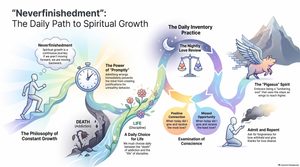
Pastor Paul: Step 10 – Neverfinishedment
Sermon August 23, 2026 “The Spirituality Of The Twelve Steps”
-
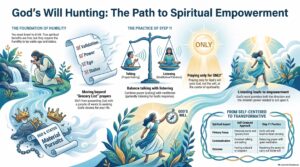
Pastor Paul: Step 11 – God’s Will Hunting
Sermon August 30, 2026 “The Spirituality Of The Twelve Steps”
-
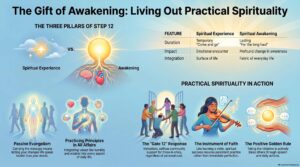
Pastor Paul: Step 12 – The Gift of Awakening
Sermon September 6, 2026 “The Spirituality Of The Twelve Steps”
-
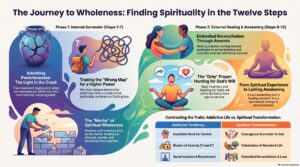
Ai’s take on Pastor Paul’s 12 Step Sermons
Sermon September 6, 2026 “The Spirituality Of The Twelve Steps”
Leave a Reply